
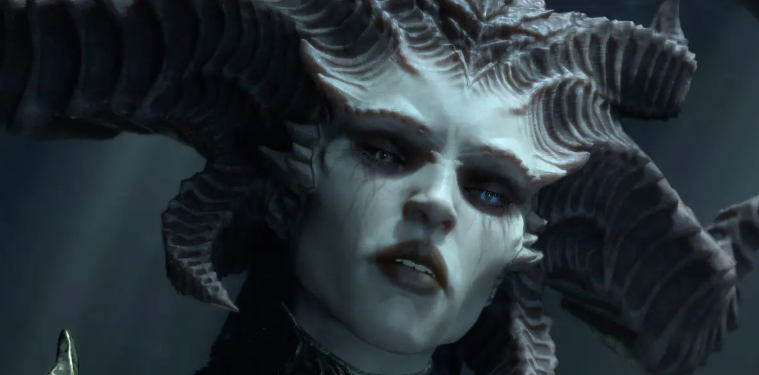
Diablo 4, the latest installment in Blizzard’s iconic action RPG series, brings players back into the brutal, dark world of Sanctuary, filled with demons, magic, and ancient lore. While the core gameplay remains as thrilling as ever, Diablo 4 introduces new mechanics, systems, and hidden features for players to discover. One of the most intriguing of these is the concept of Lost Arts.
The Lost Arts in Diablo 4 are a series of powerful and forgotten abilities that players can uncover as they progress through the game. These abilities represent a long-lost chapter of the world’s history, tied to the power of the ancient world, and serve as game-changing features for characters who seek to tap into these hidden forces. Uncovering and mastering Lost Arts can drastically improve a character’s effectiveness, providing powerful buffs, unique skills, and even altering the way players approach combat.
In this guide, we’ll explore everything you need to know about Lost Arts in Diablo 4—from how to unlock them, what they can do for you, and how to maximize their potential for your character.
1. What Are Lost Arts?
Lost Arts are unique, ancient powers scattered across the world of Sanctuary. These arts represent the forgotten knowledge of the old world, passed down by those who existed long before the rise of the current civilization. Players can unlock these arts to gain access to powerful abilities that enhance their combat prowess, grant new skills, or even alter the fundamentals of gameplay.
The concept of Lost Arts ties into the deep lore of Diablo 4 Gold, which explores ancient civilizations and powers long since lost to time. These arts are hidden away in various locations, usually requiring players to complete special tasks, quests, or challenges in order to discover them. While the exact nature of these abilities varies, they often offer significant advantages in both solo and group play.
2. How to Unlock Lost Arts
Unlocking Lost Arts is not as straightforward as simply leveling up or completing main story quests. Instead, these hidden powers are tied to specific actions, challenges, or locations within Diablo 4. Here’s an overview of how to unlock Lost Arts and what you’ll need to do to access them:
A. Progress Through Main and Side Quests
The Lost Arts are often tied to the main storyline or side quests within the game. Some quests will specifically guide players toward unlocking these arts, while others will simply lead to locations where Lost Arts can be found.
Main Story Missions: As you progress through the game’s main story, you may encounter Lost Arts hidden in dungeons, ancient ruins, or in the hands of key NPCs. These missions will often introduce new mechanics and challenges that require you to make use of the Lost Art once you unlock it.
Side Quests: Many Lost Arts are tied to side quests or optional objectives. These quests usually require you to explore hidden areas, defeat powerful bosses, or solve intricate puzzles. Be on the lookout for side quests that mention the “Forgotten Arts,” “Ancient Powers,” or similar terms.
B. Explore Hidden Locations
Some Lost Arts can only be unlocked by visiting specific locations within Sanctuary. These places are often well hidden and can be challenging to find. Hidden temples, caves, or abandoned ruins are likely spots where Lost Arts can be discovered. Players may need to solve riddles, defeat powerful guardians, or collect rare artifacts to unlock these powerful abilities.
Ancient Shrines: Shrines dedicated to forgotten deities or powerful forces are scattered throughout Sanctuary. These shrines often hold the keys to unlocking Lost Arts, but many require players to complete difficult tasks, such as defeating waves of enemies or offering specific resources.
Dungeon Discoveries: Certain dungeons or hidden zones may contain fragments of Lost Arts that players can piece together as they delve deeper into the dungeon. Completing these dungeons may also reward players with artifacts or knowledge that lead to unlocking the Lost Art.
C. Complete Challenging Objectives
Some Lost Arts can be unlocked by completing specific challenges within the game. These objectives may range from killing a certain number of elite enemies, clearing high-difficulty content, or achieving feats of survival. Players who are skilled and willing to take on difficult tasks will be able to unlock Lost Arts that enhance their abilities in unique ways.
Elite Boss Fights: Certain Lost Arts are tied to defeating powerful bosses scattered throughout the world. These elite bosses are often difficult encounters that require strategic thinking, careful resource management, and cooperative teamwork.
High-Level Achievements: Players can also unlock Lost Arts by completing achievements, such as reaching certain milestones in difficulty levels, mastering specific mechanics, or earning a specific number of in-game currency or materials.
3. Types of Lost Arts in Diablo 4
While the exact nature of each Lost Art is still to be fully discovered by players, there are a few broad categories of Lost Arts in Diablo 4. These arts range from enhancing combat abilities to unlocking new gameplay mechanics or altering existing systems.
Here are some examples of the types of Lost Arts players can unlock:
A. Combat Arts
These Lost Arts focus on enhancing a character’s combat effectiveness, either through new abilities, better stats, or powerful buffs. These arts might allow players to add new attacks to their arsenal, boost their damage output, or grant new elemental properties to their skills.
Elemental Fury: This Lost Art enhances the elemental damage of your attacks. For example, if you are playing a fire-based Sorcerer, the Elemental Fury Lost Art can increase the intensity of your fire spells, allowing them to deal more damage or affect a larger area.
Wrath of the Ancients: This combat Lost Art allows players to channel the power of ancient spirits into their attacks, causing them to deal devastating blows with every strike. This art can apply temporary buffs or even transform standard attacks into area-of-effect abilities.
B. Summoning Arts
Summoning Lost Arts allow players to call upon creatures or spirits to aid them in combat. These arts can summon powerful allies or boost the effectiveness of existing summoned minions.
Sands of the Lost: This Lost Art enables players to summon ancient desert spirits to fight alongside them. These spirits are powerful in combat and can provide additional effects such as healing, buffs, or AoE damage.
Summon of the Forgotten: This Lost Art grants players the ability to summon massive golems or elemental creatures. These summoned allies can help soak up damage and deal substantial amounts of damage to enemies in group fights.
C. Defensive Arts
Lost Arts that enhance a player’s defense can significantly change how a character handles the chaotic combat situations in cheap Diablo 4 Items. These abilities can create shields, absorb damage, or increase survivability.
Shield of the Eternal: This defensive Lost Art creates a magical barrier around the player or party members, reducing the damage taken from all sources. It’s a great choice for those who prefer a more defensive playstyle or want to tank massive amounts of damage for their team.
Sandstorm’s Embrace: When activated, this Lost Art conjures a violent sandstorm that surrounds the player, reducing enemy accuracy and dealing damage to enemies caught within the storm. It is particularly effective against ranged units and bosses.
D. Healing and Support Arts
Lost Arts that focus on healing and support can provide much-needed assistance to both solo players and party members. These arts are especially useful in high-difficulty content, where healing becomes a key factor for survival.
Blessing of the Ancients: This Lost Art allows players to heal allies or themselves over time, restoring health with every attack or casting of spells. The healing becomes more potent as the player levels up the Lost Art.
Life’s Gift: This Lost Art grants players the ability to temporarily boost the health regeneration of nearby allies or themselves, significantly increasing their chances of surviving through tough combat situations.
4. Strategies for Maximizing Lost Arts
Unlocking Lost Arts is only the first step in fully utilizing them. Here are some strategies for getting the most out of the Lost Arts you unlock in Diablo 4:
Experiment with Synergies: Many Lost Arts synergize with specific character builds. For example, a summoner may benefit most from Lost Arts that enhance minion damage or summon powerful allies. Players should experiment with different Lost Arts to see which ones complement their playstyle.
Customize for Group Play: If you are playing with others, Lost Arts that enhance healing, buff allies, or provide defensive bonuses can be invaluable. Focus on unlocking Lost Arts that support your team’s needs, whether that’s damage mitigation, healing, or additional crowd control.
Adapt to Situational Needs: Some Lost Arts are particularly useful in specific situations, such as elite boss fights or high-level dungeons. Be prepared to adjust your Lost Arts depending on the content you’re facing to maximize their effectiveness.
5. Conclusion
In Diablo 4, Lost Arts represent an exciting and rewarding mechanic that adds depth to the gameplay experience. These ancient abilities provide players with powerful tools to enhance their combat prowess, defensive strategies, or support capabilities. Unlocking and mastering Lost Arts is a critical part of the game, offering unique rewards that cater to various playstyles.
To unlock Lost Arts, players will need to engage with the game’s quests, explore hidden locations, and complete difficult challenges. By carefully selecting and utilizing these abilities, you can enhance your character’s power, contribute more effectively to group play, and uncover the mysteries of the ancient world of Sanctuary.
As you explore the desolate landscapes of Diablo 4, make sure to seek out the Lost Arts hidden in the world. They hold the power to transform your gameplay and provide the edge you need to survive the darkest corners of this unforgiving world.